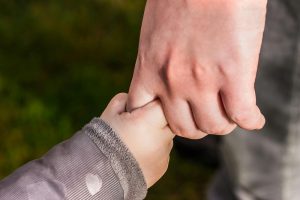
 In Mercer County, “legacy” isn’t an abstract idea. It’s the neighbor who coached your kid’s team. It’s the teacher who changed your trajectory. It’s the park you walk, the library you use, the music program you still talk about.
Most families think about legacy in terms of what they’ll leave to their children and grandchildren. But there’s another question that’s just as meaningful:
What will you leave to the community that helped raise your family?
When people include charitable giving in their estate plans, they’re not only passing on assets. They’re passing on values. They’re saying: “This place mattered to us. We want to keep it strong.”
Why Legacy Gifts Matter—Especially Locally
 Legacy gifts are deeply personal, long-view commitments. But they’re also pragmatic. They allow nonprofits, to plan, invest, and endure.
In Mercer County, you don’t have to wonder where your gift went. You can see it:
- A fund that allows a donor to support student opportunity at a school they care about.
- Support for families facing housing instability or food insecurity, including through the Princeton Area Community Foundation’s grantmaking to organizations like HomeFront and Arm In Arm.
- Support for mental health, arts and culture, youth development, seniors, and the neighborhood organizations that hold communities together.
Passing Down Values, Not Just Wealth
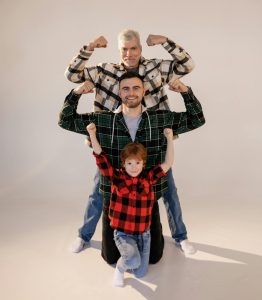 Families often talk about wanting the next generation to be grounded, grateful, and connected to community. A charitable legacy can make that a shared family story.
In my work at the Community Foundation, I’ve had the privilege of sitting with many families as they think about the mark they want to leave. What strikes me is how much people want their giving to mean something: to reflect who they are and what they stand for. Here’s what that can look like in practice:
- A grandparent creates a fund supporting a cause they cared about – education, the environment, the arts – and invites children and grandchildren to help decide which organizations receive support each year.
- A couple includes a bequest in their will and writes a letter explaining why: “This mattered to us. Here’s what we hope it does.”
- Parents talk to teenagers and young adults about community needs and the change they want to be part of.
Common Myths That Keep People from Planning a Legacy Gift
#1: “Legacy giving is only for very wealthy people.”
Not true. A percentage of an estate, a beneficiary designation, or a modest bequest can still create impact, especially when pooled with other philanthropic resources over time.
#2: “It’s too complicated, and I’ll lose flexibility.”
Neither has to be true. Most legacy giving can be structured to keep your options open, and it’s often simpler than expected. In many cases, a bequest or a charitable beneficiary designation, is all it takes.
Simple Ways to Leave a Charitable Legacy
While every situation is different, these are a few of the most commonly used tools:
A bequest in a will or trust. You can leave a specific dollar amount, a percentage of your estate, or a “residual” bequest – what remains after other gifts are made.
Beneficiary designations. Retirement accounts, like IRAs, life insurance policies, and some bank accounts allow you to name charitable beneficiaries directly.
A charitable fund that reflects your values. Some families establish a donor advised fund or a designated fund to give to a cause or organization they care about. For example, a family passionate about education can contribute to a fund supporting student opportunity at a school. Others prefer an unrestricted fund that gives community leaders flexibility to respond to emerging needs over time.
That last option is where a community foundation can be uniquely helpful, and it’s where much of my work centers.
Community Foundations Are Built for Local Legacies
 A community foundation exists for one reason: to steward charitable resources on behalf of the place we all share.
At the Princeton Area Community Foundation, we work with individuals and families who want their philanthropy to stay connected to this region. We help donors translate intent into a structure that lasts, while honoring a simple truth: because the community’s needs will evolve, the most durable gifts are those with flexibility.
Founded in 1991, the Community Foundation has awarded more than $121 million in grants in the greater Mercer County region. Our grantee-partners include Every Child Valued in Lawrenceville, Princeton Community Housing, the YWCA of Princeton, and many other organizations serving residents from Trenton to Lawrence, Hamilton to Hopewell. Our mission is intentional: promoting philanthropy to advance the well-being of our communities, forever.
One family may prioritize strengthening the social safety net. Another may want to support the arts and culture that make Mercer County vibrant. Others may prefer to give local leaders discretion to deploy resources where they’re needed most. The Community Foundation helps all of them, with structure, knowledge of the local nonprofit landscape, and the continuity to help future generations carry the legacy forward.
Starting the Conversation
If you’ve never talked about charitable legacy giving here are a few prompts to get started:
- “Which organizations in Mercer County have mattered to our family?”
- “What do we hope is true about this community in 25 years?”
- “If we could strengthen one thing for future generations, what would it be?”
Your family will begin building a shared narrative that can eventually be reflected in your estate plan.
Legacy Is a Choice
Charitable legacy giving is one of the few ways to make a lasting, values-driven investment in the place you call home. It’s a way to say: “We benefited from this community, and we want to help ensure it remains strong for the families who come next.”
Because here in Mercer County, legacy isn’t theoretical. It’s personal. And it can last.
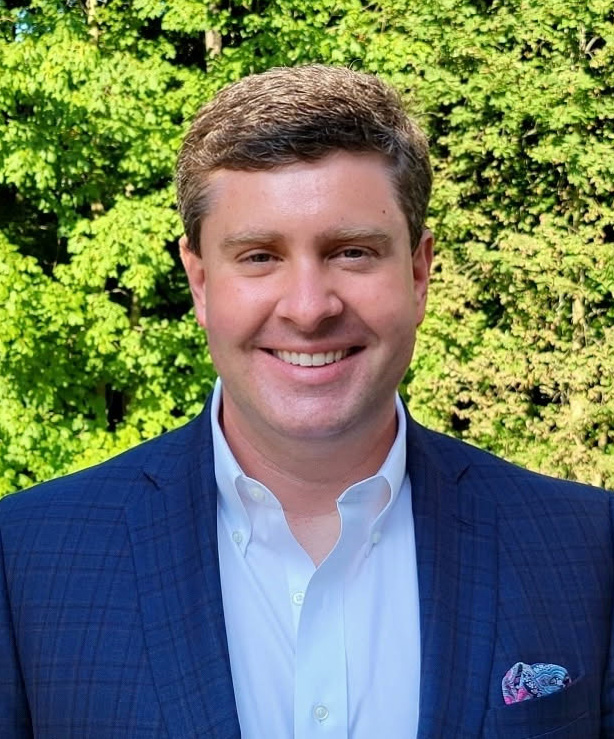
Steven Spinner is Chief Philanthropy Officer at the Princeton Area Community Foundation. The Community Foundation connects donors with causes they care about, promotes lasting philanthropy and builds community across central New Jersey. Learn more at pacf.org.