
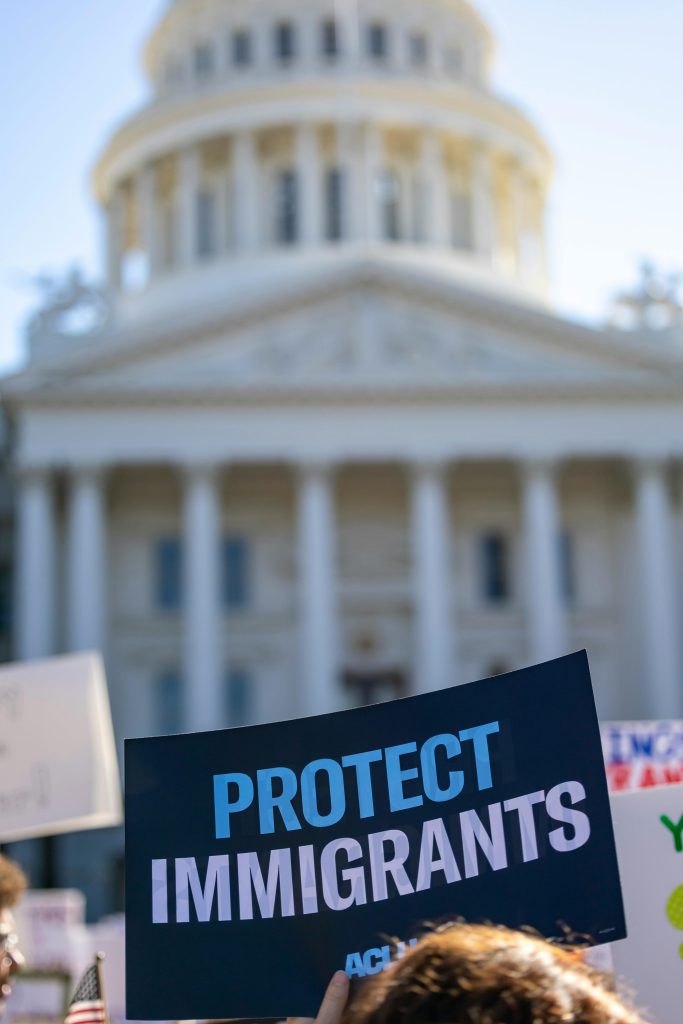
 There are residents of Princeton that are in hiding, families that are scared, and community members that are rallying behind them. Local leaders have spoken out and galvanized supporting resources. Schools have been on high alert and teachers have informed students to walk in groups and record encounters on their phones. The Princeton community has been impacted.
To many, it seems like U.S. Immigration and Customs Enforcement (ICE) action is occurring like never before. Though it is more publicized and more visible, enforcement of immigration and customs law is not new. And it is not new to Princeton. In recent years, locals were detained and deported under President Obama, President Biden, during President Trump’s previous term as well as today. Locals rallied on Hinds Plaza then and across Princeton now.
ICE has officially been around since 2003, formed through a merger of departments during the presidency of George W. Bush. In its previous incarnations, immigration enforcement departments, systems and services have existed since nearly the inception of the United States. As far back as 1798, the Alien Acts were amongst the first federal laws that enabled the U.S. government to detain and deport non-citizens.
President Trump won his current term, in part, on immigration and border security. Yet the actions and situations that occurred in late 2025, and so far this year, feel different to many. Whether you condemn or support them, the outcomes may have a rippling effect on the daily functioning, safety and stability of communities like Princeton.
DAILY FUNCTIONING
Regular daily functioning means being able to go about your day as you would any other. To travel to a job, take children to school, pick up groceries and more. For the most vulnerable in Princeton, they are discovering a paralyzing impact from the latest ICE actions, unsure whether it is safe to walk out of their homes and onto the streets. From the undocumented to immigrants who do have proper paperwork, they are telling Princeton Perspectives things are different these days.
 “In 2016, it was maybe three times it happened overall. Now it’s more aggressive. Now we have it every month,” a community member shares anonymously, adding that amidst the fears, others are stepping up to assist. “Community members are taking friends’ children to school because they’re too afraid of leaving their homes. It’s the good of the people. There are different groups, some getting them diapers, going to the market, taking all the risks to help. That never happened before.”
As some have done during past ICE raids, there are neighbors completing notarized custody paperwork, granting them permission to take care of another’s child should those parents get picked up while at work or away from home.
SAFETY
“It’s clear that what is being done today by ICE across the United States leaves our communities feeling less safe,” says Princeton Mayor Mark Freda. “No one should have to live in fear of having their family torn apart suddenly and maybe even violently. Children should not be afraid to go to or to leave school. A family should not suddenly have an income earner taken away and then have little ability to pay for basic needs. Locally we have resources that will help people know their rights and help people that may be facing many challenges when a family member is taken away.”
 While many in the area understand and support legal immigration and deportation of criminal undocumented workers, there are also concerns about the targeting of longtime undocumented residents who are contributing to society. To ensure families are cared for after a member has been taken by ICE, municipal departments such as Human Services offer guidance and can make important connections with other resources. Community groups are also trying to help. After ICE detained multiple individuals last July, Nassau Presbyterian Church set up a Neighbor Fund, which helps to support legal expenses and other essential needs for families impacted by detention or deportation. It was started with $20,000 from Nassau’s Mission and Outreach Committee and has continued to grow through individual donations.
Beyond the familial instability, there is also concern that the worries of the undocumented could lead to public safety concerns. Is the trust still there enabling them to ask for help from local police or other officials? Will they be willing to report crimes to keep them and other residents safe?
“We are aware that ICE activity can generate anxiety, fear, and uncertainty within the community. In those environments, some residents may be hesitant to contact the police due to perceptions that all law enforcement agencies operate similarly or share the same roles. We recognize this concern and work continuously to build trust, legitimacy, and strong relationships within our community. Through these efforts, we strive to ensure residents feel safe seeking assistance and reporting concerns,” explains Princeton Police Chief Matthew Solovay.
Princeton Police Department enhanced the staffing of its recently renamed Community Relations Bureau this year, specifically aimed at having even more personnel to engage and build trust with residents. It is also amongst the many statewide agencies that operate under the guidelines of the Immigrant Trust Initiative. Enacted in NJ in 2018, it limits the voluntary assistance that New Jersey’s officers can provide to federal immigration officials, and in doing so, hopes to encourage immigrant residents to interact with them without fear of deportation. Neither the police nor anyone from the municipality coordinates with ICE on their actions. They did not during the ICE activity that detained two adult men on January 15, 2026 or at other times. But they do work to stay informed to understand what is taking place. They do not want immigration events to deter them from primary safety roles.
“Public safety is our top priority, and when crimes occur in Princeton, we investigate them thoroughly and hold offenders accountable under New Jersey law—regardless of immigration status. At the same time, immigration enforcement is not the role of the Princeton Police Department,” Chief Solovay adds. “When residents feel safe reporting crimes and cooperating with police, it helps us do our jobs and better serve the community. By focusing on our responsibilities and fostering respectful relationships, we make the entire community safer.”
While the state supports the lawful enforcement of federal immigration laws, Governor Mikie Sherrill stated last week, “ICE is making everyone less safe,” as she laid out actions she said are “to protect New Jerseyans.”
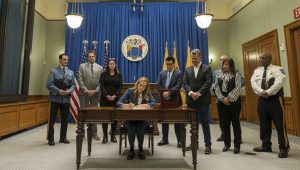 Sherrill signed an Executive Order banning ICE from launching any of their actions from state property. The Office of the Attorney General additionally created a portal for NJ residents to report “incidents involving harmful conduct by, or negative interactions with, federal personnel conducting immigration enforcement in New Jersey.” The portal offers an opportunity to upload any ICE operations captured in a photo or recorded on video which could be used to enforce laws or as evidence in court. Lastly, the website, Know Your Rights NJ, was launched which offers up information on Constitutional rights and directs to resources including pro bono legal services.
STABILITY
When there is unrest in a community, it can not only impact daily functions and safety, but also stability. Is everything else on good footing to move forward? Many undocumented people have become essential workers who help keep local businesses running. How are they getting by with the loss of employees?
Local restaurants have been struggling for a while due to inflation, not enough workers wanting to take the jobs, and now the fears and realities of deportation impacting many already on the job.
One local eatery recently had two of its kitchen staff apprehended by ICE. The owner shared that while it is worst for the targets and their families, it is bad for everybody.
“People are still showing up for work, but they’re definitely fearful. It’s really sad what they’re going through. This issue exacerbates the cost of labor and customers aren’t coming out and spending. Sales are down significantly.”
A Princeton resident recalled walking through Witherspoon Street recently. “It felt like a ghost town,” they explained, noting the businesses in that neighborhood are really hurting while many of the nearby residents are in hiding.
THE COMMUNITY OUTCOME
 While the majority of locals respect that immigration laws exist for a reason, many of the Princeton area’s undocumented residents have been here for decades. Their love of this community propels their supporters to hope things can happen differently. Whether it is the hiring of more judges and attorneys to enable more and frequent immigration court hearings, or the development of a path forward for rule-abiding lifelong Deferred Action for Childhood Arrivals (DACA) and other longtime residents. Many in Princeton’s welcoming community are hoping the system can become clearer or change.
President Trump recently agreed to take a lighter approach, refocusing primary efforts on detaining and deporting the criminal undocumented that he campaigned on. The hope is it will alleviate some fears, calm down protests and enable communities to be more stable.
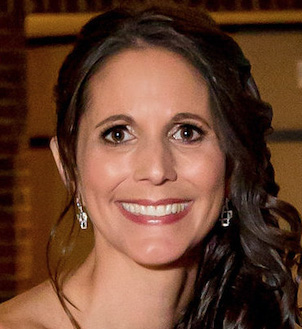
Lisa Jacknow spent years working in national and local news in and around New York City before moving to Princeton. Working as both a TV producer and news reporter, Lisa came to this area to focus on the local news of Mercer County at WZBN-TV. In recent years, she got immersed in the Princeton community by serving leadership roles at local schools in addition to volunteering for other local non-profits. In her free time, Lisa loves to spend time with her family, play tennis, sing and play the piano. A graduate of the S. I. Newhouse School of Public Communications at Syracuse University, Lisa was raised just north of Boston, Massachusetts but has lived in the tri-state area since college. She is excited to be Editor and head writer for Princeton Perspectives!