
Seasonal bird migration is one of nature’s finest spectacles. North American birds spend the spring and summer here and then – abruptly – migrate south in August through November. Why they migrate and how they find their way has puzzled birders and researchers for years. There is still a lot that is unknown about bird migration, but this is what we do know.
Migration is very risky, and many birds do not survive the trip. They must navigate predators, weather, cars, buildings, and windows along the way. So why risk flying hundreds or thousands of miles twice a year? The primary reason is food, and ultimately food for reproduction. The primitive force within every animal is to survive to reproduce.

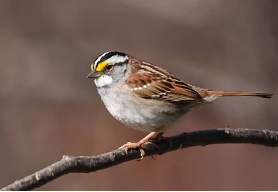
If you were thinking that birds migrate because of the cold winter temperatures, you are partially correct. The cold itself is not a physical issue for birds. Many birds, (e.g. penguins) can thrive in cold climates but our cold northern winters do not provide enough food for many bird species. The insects that songbirds feed on, die or hide while the plants that those insects depend upon wither or become dormant. Most small mammals, reptiles, amphibians, and fish – which shore birds, raptors, and other birds need – hibernate or go into torpor and become scarce. Birds, therefore, are forced to migrate to areas where food is plentiful in warmer southern climates. Then they again make the trip north in the spring and summer to find a mate, nest, and raise their young. Some will find the same mate, and most will migrate back to the same summer area each year. That blue jay that you had in your yard this summer will probably be back next summer. Approximately seventy-five percent of the 650 species of North American breeding birds are migratory. Birds such as the northern cardinal and some woodpecker species can find food year-round and do not migrate. Other species are partial migrants, where some migrate and others do not, such as the American robin. The tri-state area also welcomes many migrants that spend the winter with us, such as dark-eyed juncos, white-throated sparrows, black-capped chickadees, saw-whet owls, and snowy owls.
Why do these birds not stay in the South once they get there? Why do they again risk migrating back in the spring? Again, the reason is food and reproduction. North American winters are South American summers, and vice versa. Winters here in the north are cold with fewer daylight hours, and summers are warm with more hours of light. The winters in the southern hemisphere have shorter days and have more unpredictable weather. Birds need more hours of daylight to find food to support their very high metabolism. They must eat constantly for energy for flight and reproduction. More hours of daylight are essential for the bird’s survival.
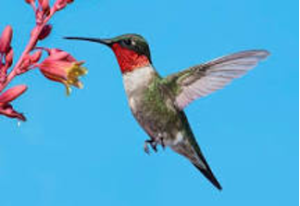
So, we know why birds take these risky migrations, but how do they find the route to their destination? And what, who, or when tells them it is time to go? This is the amazing part. It seems that birds use the Earth’s magnetic field, the sun and stars, sights and smells of familiar landmarks and topography during their long migration. Their eyes detect magnetic fields through magnetically sensitive proteins called cryptochromes. Birds can sense or “visualize” the magnetic field as they fly in any direction. The magnetic field is the strongest at the North and South poles, and weaker in between. Basically, birds have an internal GPS to navigate migration. It is also thought they have an innate sense of direction, guided by genetics.
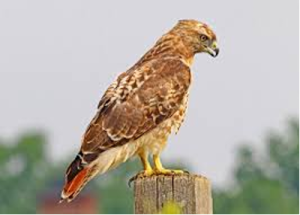
The change in available daylight in mid-summer is the signal to prepare for the trip. They feed more voraciously to build up body fat. Then, from August through November, most gather into large flocks, ensuring safety in numbers as they make the trip south. Some migratory groups number 50 or 100, while others can reach into the thousands. Songbird groups migrate only at night to prevent overheating in hot daytime temperatures. They stop, rest, and feed during the day, before continuing their nighttime trek. Raptors are daytime migrators, often using thermals (rising warm air currents) to save energy by gliding from one thermal to another along the way. Waterfowl are crepuscular migrators (dawn and dusk), using the V flight formation to save energy.
When they arrive at their southern destination, their primary function is to find food, shelter and ultimately survive. When the southern daylight hours lessen in March, they again prepare for the arduous migration north to find a mate, nest, and raise their young.
New Jerseyans are lucky that we can observe this migration spectacle. New Jersey is part of the Atlantic Flyway which includes 1,792 miles of tidal shoreline. This area provides essential food and shelter for birds along their southern path. The Appalachian Trail in New Jersey is also a primary migration path for raptors and other birds.
Climate change presents a major challenge for bird migration. Winters in the north are becoming warmer. Plants emerge and bloom earlier in the spring, thus, insects are hatching earlier. Mammals are also reproducing earlier. Birds plan their migration based on the timing of insect and mammal reproduction, so these changes affect the food supply for birds and their young, resulting in a lower survival rate of offspring and decreased bird populations.
What can we do as residents of our community? There are many perils for migrating birds that, as backyard naturalists, we can help mitigate.
- Participate in the “Lights Out for Migration” program during spring and fall. The program encourages turning off non-essential lights from 11PM to 6AM to prevent nighttime migrating birds from becoming disoriented and colliding with buildings.
- Install bird deterrents on your home, school, and business windows to prevent bird strikes. Birds see outside reflections in windows and cannot see the window. The internet has many options for window deterrents. Some major cities in main migration paths are now mandating the use of special windows for new buildings to prevent bird strikes.
- If you have yard bird feeders, place them far away from windows. Clean the feeders often and rake up seed that has fallen to the ground. This helps prevent window strikes and the spread of disease.
- Keep your cats indoors. This can be challenging, but it extends the life and health of your pet and saves some of the millions of birds that are killed by outdoor cats, each year.

Jane Rakos-Yates is the Director of Mercer County Wildlife Center, Titusville, New Jersey which is part of the Mercer County Park Commission. She has been a licensed wildlife rehabilitator and educator for over 25 years. Her passion is to promote wildlife conservation education to the public, volunteers, and interns that pass through the doors and beyond.