 There have been many days throughout this winter where one likely felt a desire to hibernate. Momentary bouts of sun and warmer weather enticed people out briefly, then sudden drops back into frigid temperatures (and groundhog Punxsutawney Phil seeing his shadow) reminded us winter is still here. Well, it is time for spring (officially it arrives on March 20th) so wake up and pay attention to what is happening around you.
BE PREPARED TO FLY
 If you have a trip planned or are hoping to fly somewhere in the days, weeks or months following May 7th, that date is fast approaching. It is on May 7th that enforcement of REAL ID driver licenses begins at airports. If you’ve been asleep, REAL IDs are a newer format of federal identification that is being instituted to prevent people from using fraudulent identification. It is NOT a driving requirement – you can still drive with a standard driver license. However, without one, you will need to carry a U.S. passport or other approved citizenship/resident ID for TSA airport screening.
To get a REAL ID, you simply need to request this format at your license renewal, or if you do not have a license expiring within three months, make a non-renewal appointment at the Motor Vehicle Commission (MVC). Seems simple, right? Not quite so. If you go to the website for non-renewal right now, you will likely find there are no appointments available. High demand as the drop-dead date is approaching, is making appointments hard to come by, and getting many nervous.
“The MVC monitors appointment availability and will regularly add and reallocate appointments to better meet the demand for specific services. Earlier this month, for instance, we opened an additional 36,000 REAL ID non-renewal appointments,” explains William Connolly, MVC Spokesperson. “In addition to the appointments currently available, approximately 3,000 new appointments for REAL ID upgrades are added each business day at 7 a.m.”
The MVC has since announced the start of “REAL ID Thursdays,” whereby nearly 4,500 new appointments will be added every Thursday. These appointment slots can be found on the scheduler. Starting April 5th, the MVC will also host REAL ID Mobile Units every Saturday. These opportunities will be added to the scheduler later this month.
When you do land one, make sure you arrive prepared with 2 proofs of residential address, 1 verifiable Social Security number, and identity documents that add up to 6 REAL ID Points.
IMPACTS OF AVIAN FLU
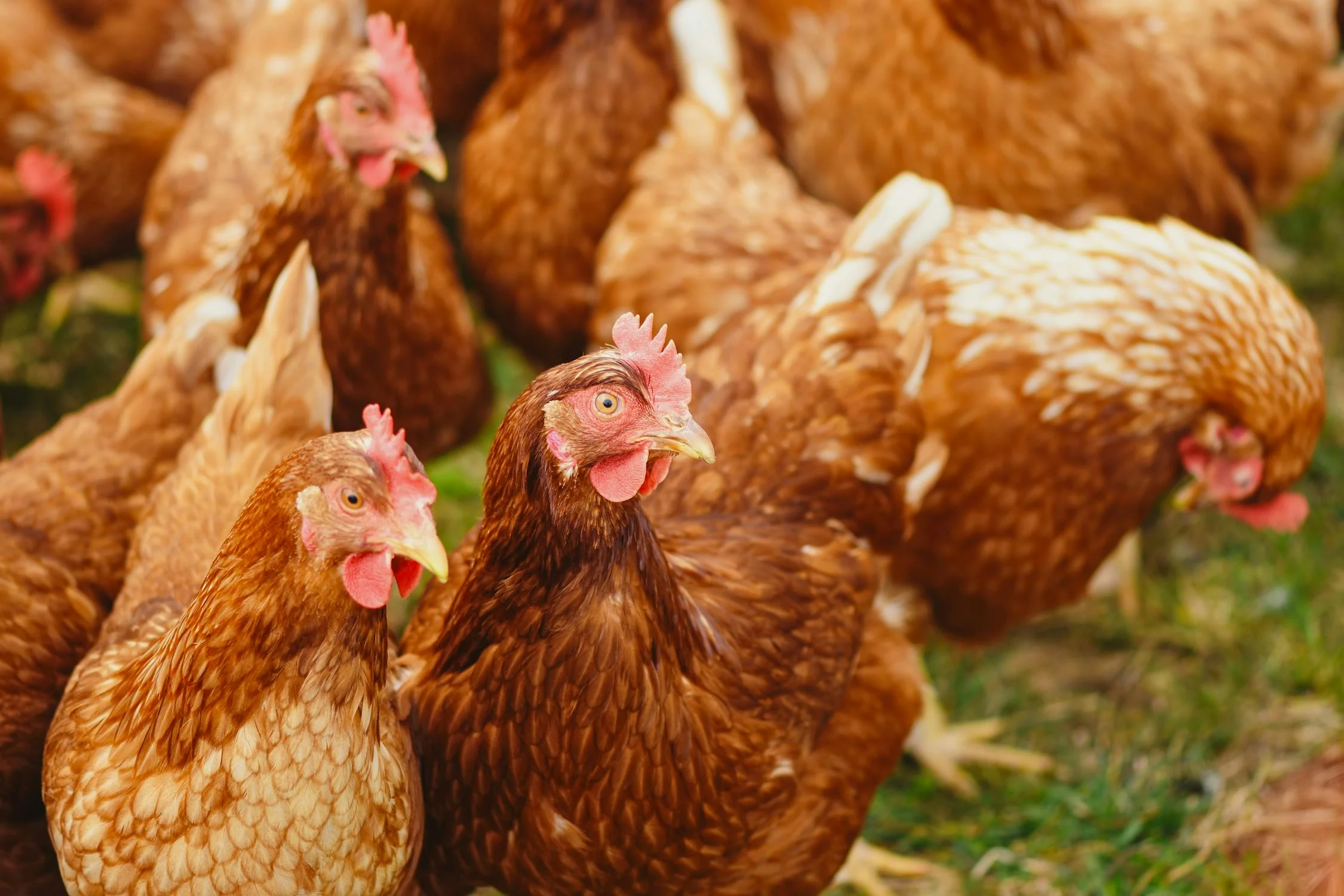 Another imminent issue is Avian flu, more commonly known as bird flu, and it is impacting every egg-eating American no matter where you live. Last spring you could buy a dozen large Grade A eggs for as low as $1.54. That same purchase today is $8.19 for Shoprite of Lawrenceville’s Bowl & Basket brand and can cost as low as $4.50/dozen at the Quakerbridge Costco. Why? In the last quarter of 2024, the U.S. lost more than 20 million egg-laying chickens due to this flu. Fewer eggs = higher prices.
Some locals are turning to nearby farms to purchase their eggs, such as at Griggstown Farm on Bunker Hill Road. One dozen chicken eggs were recently $8, and quail eggs were available at $6.50 for a package.
There is hope for some relief, though it may take a bit of time. In late February, the U.S. Department of Agriculture announced a $1 billion-dollar strategy to curb the disease that is impacting the U.S. poultry industry and spiking egg prices. The monies will go towards biosecurity measures, financial relief to impacted farmers and vaccine research. What does this mean? It is suspected that wild birds infect farm stock, so the biosecurity measures could go far in preventing that. Once infected, the flocks must be depopulated, so relief aid could assist in repopulation efforts. USDA is also exploring options to increase the import of eggs to help lower todays’ costs. In a press conference late February by the USDA chief, it was shared that Turkey has already stated it will export an additional 15,000 tons of eggs to the U.S. between now and July.
To date, there are minimal confirmed instances of bird flu in Mercer County. A bald eagle was discovered in a yard near Carnegie Lake in late 2024. Because it had no obvious signs of death, it was taken and tested and results shared just recently confirm bird flu was the cause of death. Since then, some other dead birds (geese, vulture and a great horned owl) were found in Princeton and there is suspicion of bird flu, though it is not laboratory confirmed. Additionally, the bird flu was found in poultry at a live bird market in Ewing in early March. No infected poultry were sold to the public and the market was quarantined and temporarily closed. There have additionally been 2 reported cases of infected cats in Hunterdon County as well as confirmed detections in wild birds in Warren and Salem Counties and of wild geese in Burlington and Monmouth Counties.
“Fortunately, we have not seen sustained person-to-person transmission. However, the situation requires continuous monitoring and vigilant public health surveillance in case any changes indicate easier spread,” notes Jeff Grosser, Princeton Health Officer.
The threat to humans remains low, though there have been three human cases of bird flu reported nationwide (all people who worked in the industry). None have been reported in NJ.
AID IN EDUCATION
 Turning from health to educational concerns…we shared last month about worries some have due to U.S. Department of Education changes, as NJ receives over $1b in Federal funding for its schools. Last week, nearly 50% of the department’s workforce was reduced, eliminating 2,183 workers. Time will tell what, if any, impacts there may be in terms of federal financial supports, but we do know that the New Jersey Department of Education has come out with its state aid calculations for 2025-2026. It brings both good and bad news for Mercer County.
While six local school districts are seeing an increase in state aid (up as much as 6%), four districts will see their aid cut.
East Windsor, West Windsor, Robbinsville and Princeton will have state aid reductions, down from 1.6-3%. Princeton Public Schools (PPS) loss of 3% ($174,774) is going to be offset greatly by a decrease in projected Princeton Charter School tuitions (a $114,710 savings). The tentative budget, which does not anticipate making any cuts due to the $60,064 loss, is expected to be approved tonight, March 18th, with final adoption in late April.
“While we are disappointed in the small net reduction of state aid, we are grateful that it wasn’t more impactful to our budget,” says Matt Bouldin, PPS Business Administrator (who is expected to announce at tonight’s meeting that he is leaving PPS in June for another district).
Meanwhile, local school districts including Ewing, Hopewell Valley, Lawrence, Mercer County Vocational and Trenton, saw increases of state aid from .5% up to 6.16%.
EXPERIENCE YOUR LOCAL PARKS
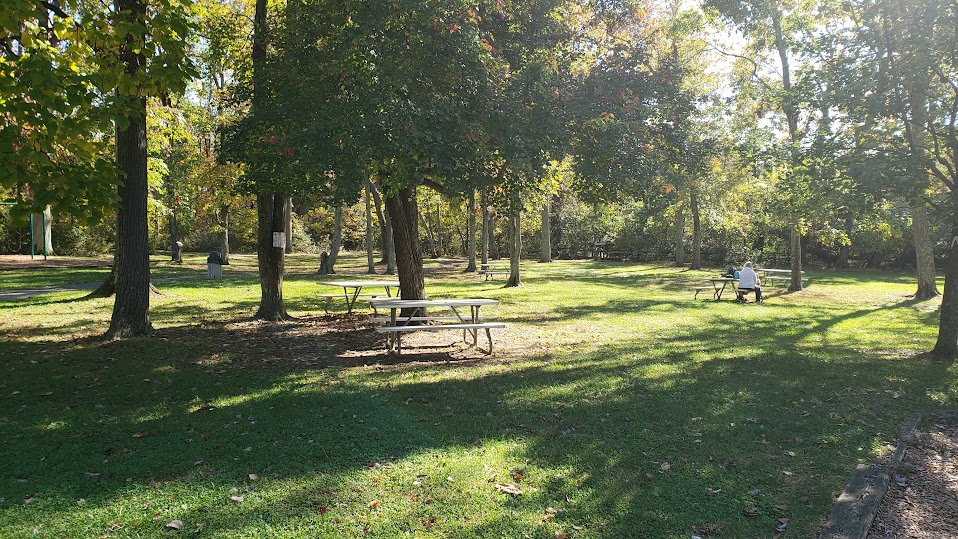 As the weather begins to warm up and entice you outside, there is much to take advantage of. March 30th is Take a Walk in the Park Day, so if you haven’t been able to pull yourself out of hibernation mode yet, perhaps this will be the day!
In Princeton proper alone, there are more than 1,800 acres of parkland owned mostly by the municipality, as well as some controlled by the state, county and D&R Greenway. Amongst them you can find over 45 miles of trails.
“There is an excitement that comes with the annual approach of spring and the increased opportunities to get outside and visit Princeton’s many parks, trails and open space areas. There are so many different recreation opportunities available in the Princeton Parks system for people of all ages and interests. The Recreation Department encourages area residents to get outside this spring and summer, take advantage of the warmer weather and recreate in our many beautiful parks and open spaces,” shares Evan Moorhead, Princeton Recreation Department Executive Director.
For a full listing of all of the park and open space opportunities in Princeton, you can learn more here.
GET MOVING
So, if you’ve been sleeping through the winter, now it is time to wake up. Get your REAL ID appointment, be aware of what is happening in the community, and get yourself outside to enjoy one of the 28 parks and open space preserves Princeton owns.
As the weather warms up, there is so much to see and learn going on around you.
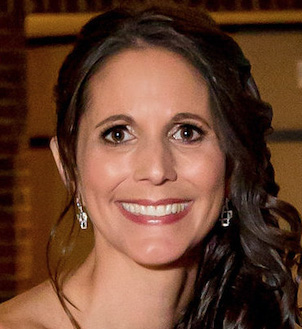
Lisa Jacknow spent years working in national and local news in and around New York City before moving to Princeton. Working as both a TV producer and news reporter, Lisa came to this area to focus on the local news of Mercer County at WZBN-TV. In recent years, she got immersed in the Princeton community by serving leadership roles at local schools in addition to volunteering for other local non-profits. In her free time, Lisa loves to spend time with her family, play tennis, sing and play the piano. A graduate of the S. I. Newhouse School of Public Communications at Syracuse University, Lisa was raised just north of Boston, Massachusetts but has lived in the tri-state area since college. She is excited to be Editor and head writer for Princeton Perspectives!
 “Love is in the air…everywhere I look around!” As I envision John Paul Young singing those lyrics in the 1970s, he likely did not have Valentine’s Day in Princeton on his mind. But it sure fits the scene. As we lead up to the famous day of love, it’s a great time to write about it. Whether you’re madly in love yourself or not, there’s lots of ways to love and be loved. And if you are not experiencing it yet, the February issue of Princeton Perspectives has you
 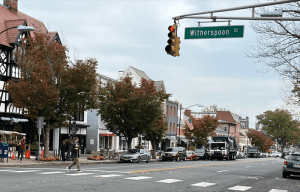 Princeton is an attractive town, for a variety of reasons. In general, people tend to love the university town for the beauty of its campus, the robust town center, and its geographic location situated halfway between New York and Philadelphia. For those who live here, they often come for a job, post-graduate work or the schools. But once they arrive, they tend to find there are many reasons to stay.
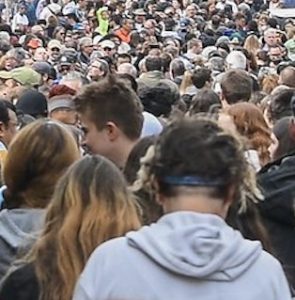 It is the people that contribute most to making the town and community, and 21% of locals that responded to our survey indicated it is the diversity of those people that makes Princeton most unique and special. People come here from around the world, often to learn or work in industries such as pharmaceutical, education or sci-tech. Beyond those transplanted for a job, there are immigrants, both documented and undocumented, who come to be near others from their former communities. This population brings with it diversity of thought, socioeconomics, education, ethnic influences and more. Due to the presence of Princeton University,
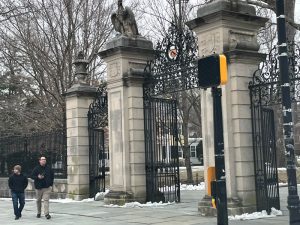 But what about when others come to visit? Besides the great downtown, what is the #1 place our readers recommend visitors go? 45% of respondents said it must be Princeton University.
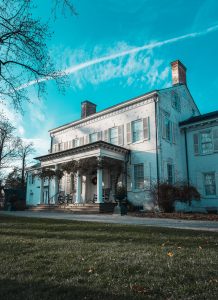 Morven, former home of Richard Stockton, signer of the Declaration of Independence, and then to five New Jersey governors, is an historic site that is unique to Princeton. In this town, there are many other locations and stories that also help it stand apart. Nearly 25% of those that responded to our survey shared Princeton Battlefield is the historic spot they love most. Site of the Battle of Princeton and a turning point of the American Revolution, there are monuments to read there, reenactments through the year and the original home of Thomas Clarke. Locals also shared some lesser-known chronicles of the past that they love about Princeton.
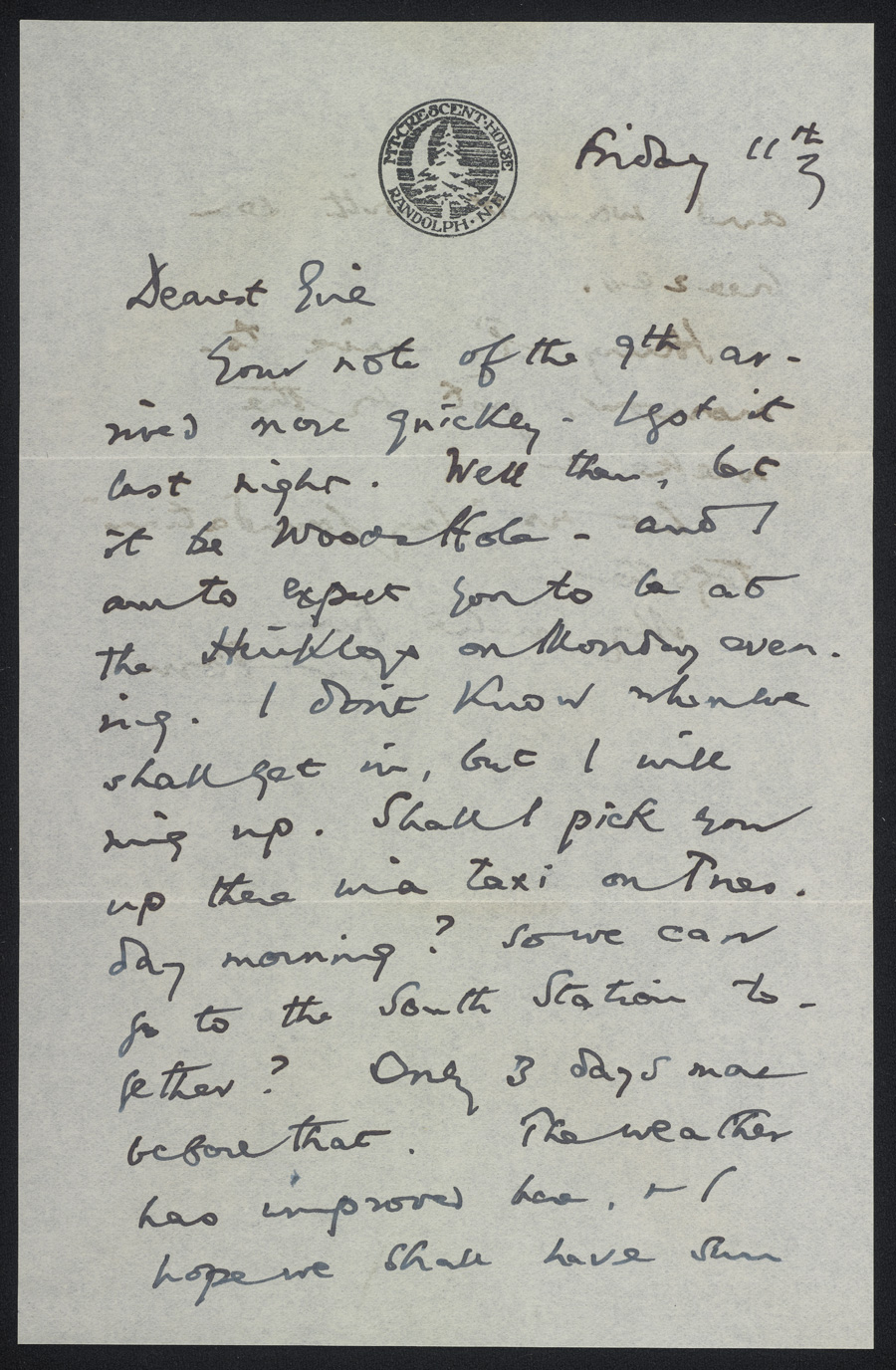
 Ah! The art of a love letter! When was the last time you took out pen and paper, to share your deepest thoughts with the one you love? There is a passion that can only transcend in this form. Today, it’s likely Facetime that keeps long distance lovers connected and with the loss of cursive teachings these days, what would a love letter even look like between two paramours from Gen Z?
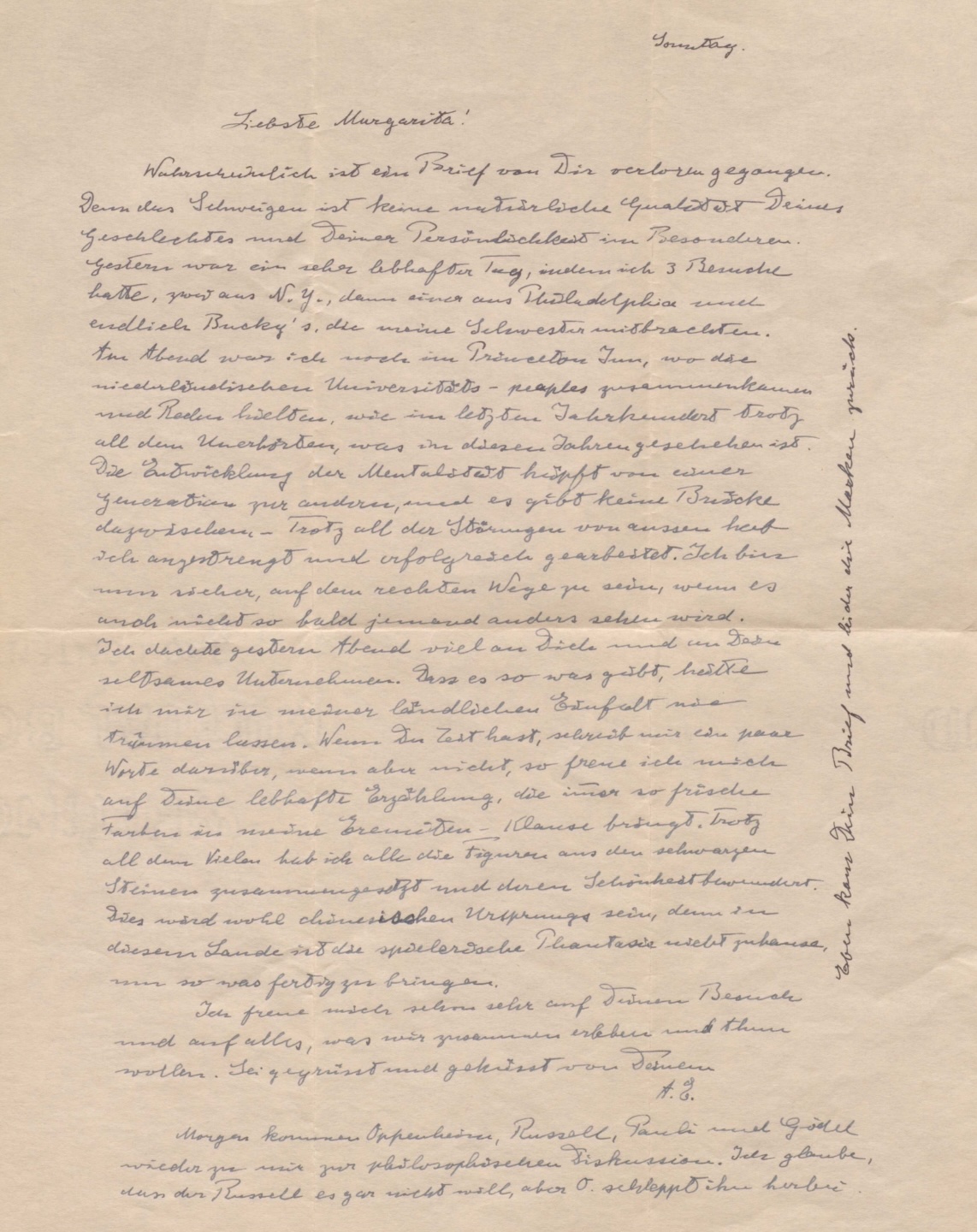
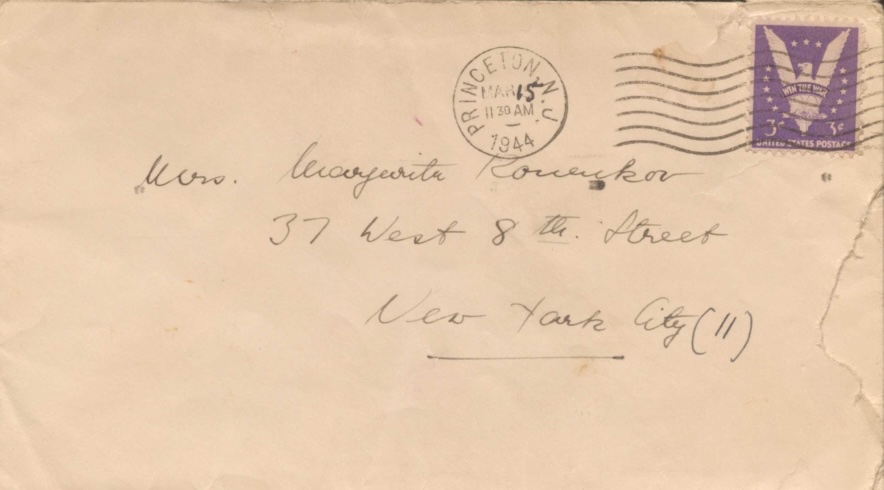
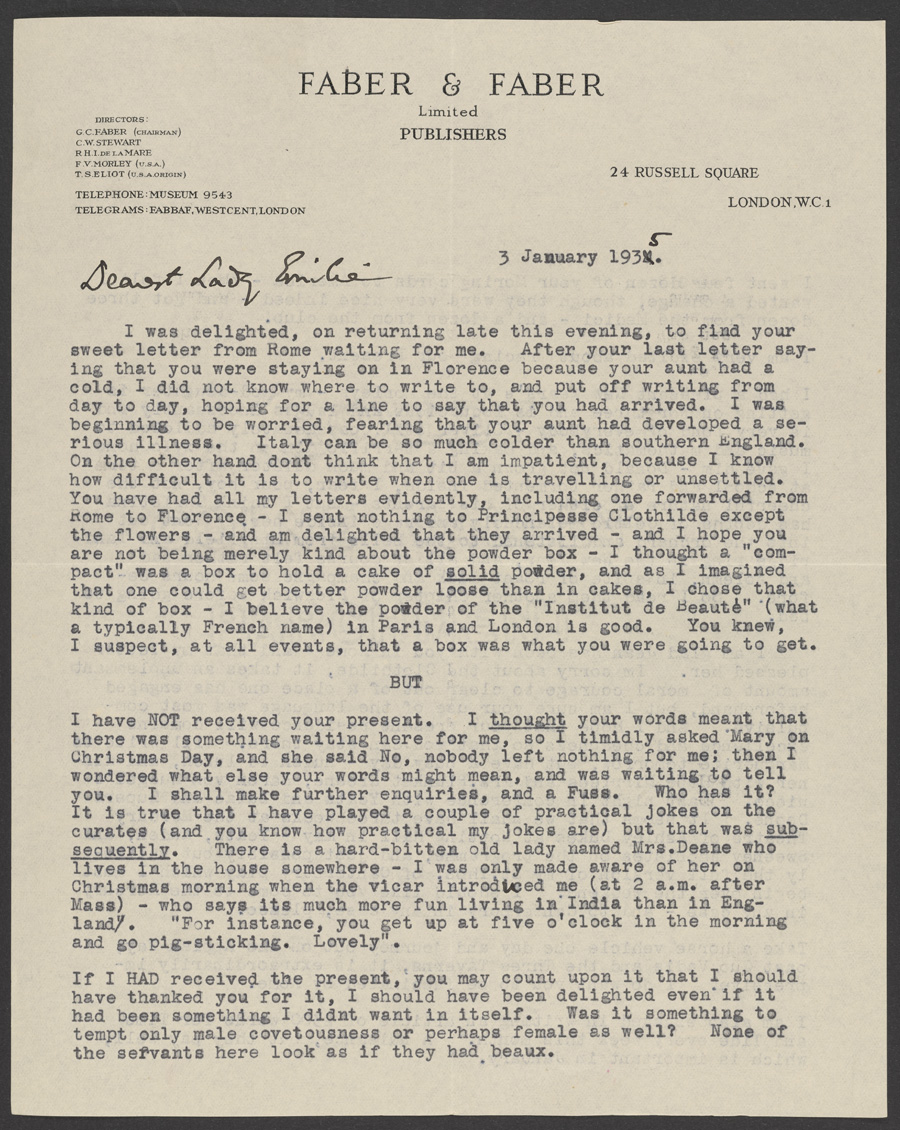
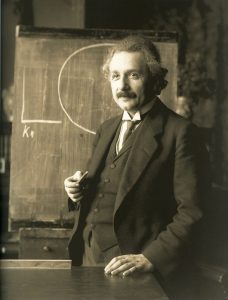 The Einstein letters, written to his lover Margarita Konenkova, reveal someone who truly cares about another, who wants to share the daily ins-and-outs of his life and spend cherished time together. Six (of many) letters were given by Konenkova to Marjorie Bishop (then her neighbor) with strict instructions, that unless claimed by 1955, Bishop had sole authority as to their disposal. Bishop even wrote a note, instructing in 1960, in the case of her death, the letter contents in the box were to be burned. But they were not. Instead, 20 years after receipt, it appears Bishop changed her mind and gave them to psychoanalyst Muriel Gardiner in 1969. She wanted them preserved and sent them the Sigmund Freud Archives for safe keeping. To do that, the archives placed them in the care of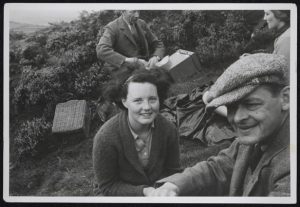
 Welcome, 2025! It’s a New Year, and that Means Changes Are-a-Coming! So, that’s what we’re writing about in this month’s issue of Princeton Perspectives.
 On January 20th, Donald Trump will be inaugurated for his second term as President of the United States. President Trump won the national election with 312 electoral votes over Kamala Harris’ 226. In New Jersey, Trump did not get the win, however his loss by fewer than 250,000 votes (<6%) was an extremely close margin for the Garden State.
 As Benson alluded to, Trump made some waiver changes to
  For funding and organizational reasons, Trump has repeatedly mentioned on the campaign trail desires to save money and improve education by adjusting or eliminating the
  What is more likely is a discussion amongst the new administration about whether or not the U.S. should continue the tradition of Daylight Savings Time. As 2024 was coming to an end, Trump posted on X, “Daylight Saving Time is inconvenient and very costly to our nation.”
 Other Garden State businesses could also feel affects after Trump takes office, through his promise to raise tariffs on imports. His comments have predominantly targeted China, Canada and Mexico where it is has been said the increase would be to partly help American trade but also to curb the influx of fentanyl, said to be influenced by those countries. Last week, at a Mar-a-Lago press conference, the incoming President repeated part of this desire stating, “We’re going to put very serious tariffs on Mexico and Canada.”
 Did you know that you are supporting New Jersey’s critical infrastructure needs each time you fill up your tank at the gas station? And, as of January 1st, you are supporting it with an additional 2.6 cents per gallon.
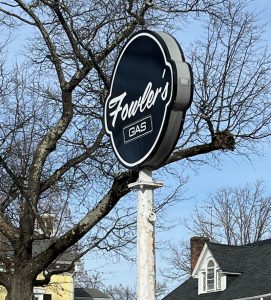 At
At 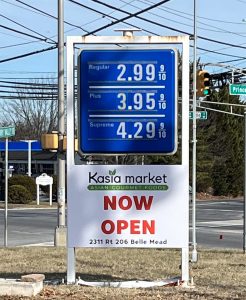 “I have a deal for commission based on a per gallon incentive. No matter the prices, I get paid for each gallon I sell,” owner Sunny explains.
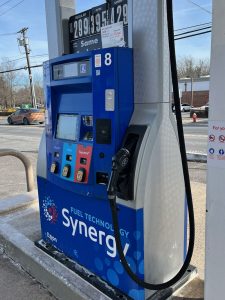 Nearby Griggstown Farm resident says not only is the increase having no impact on him, he’s buying premium these days. “I am putting 93 in. I am trying to wash the engine right now,” explains Hasan Ahun. “I knew the gas tax was going up, but it’s OK, I need it.”