
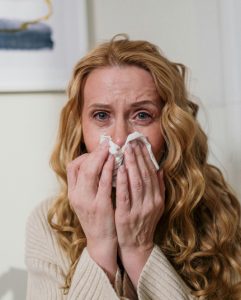
If you start sneezing at the first sign of spring or if your eyes begin to itch at the mere sight of a dog or cat, you are not alone. More than 50 million people in the United States suffer from allergies each year, according to the American College of Allergy, Asthma and Immunology. Spring seasonal allergies, also known as seasonal allergic rhinitis or hay fever, affect approximately 15% of the U.S. population. Princeton and Mercer County are already seeing medium-high levels of maple and juniper pollen, and the pollen counts, along with the variety of trees that are pollinating, will increase over the next few weeks in our area.
For people with mild allergies, over-the-counter medications may help, but for people who have moderate to severe allergies, they are often not enough. In those cases, an allergist can recommend other treatment approaches, including immunotherapy, also known as allergy shots, to relieve symptoms.
Understanding Allergies
 Allergies are an overreaction of your immune system to an allergen, an otherwise harmless substance that your body perceives as an invader.
Common allergens include:
- Pollens from trees, grasses or weeds
- Mold
- Dust mites
- Pets
- Cockroaches
In response, your body attacks the invader by producing antibodies that trigger cells to release histamine and other chemicals, causing an allergic reaction that may include symptoms such as:
- Stuffy nose
- Runny nose or postnasal drip
- Itching, usually in the nose, mouth, eyes or throat
- Red and watery eyes
- Puffy swollen eyelids
- Sneezing
- Cough
- Fatigue
These symptoms can significantly impact your quality of life, causing fatigue from poor sleep, impaired work or school performance, and difficulty with daily activities. Additionally, allergies can increase the risk of asthma by 10 to 40 percent, according to the American College of Allergy, Asthma and Immunology.
 Spring allergies in particular are caused by tree pollen. Different trees release pollen at different times during spring, with mid-spring trees like maple, birch, beech, ash, oak, and sycamore showing the strongest associations with allergy symptoms in our area. The high density of mature trees in Princeton means that these tree pollen counts surge in Spring. Grass pollen typically follows later in the season, peaking in May and June.
Climate change is making spring allergies worse. Over the last 30 years, the area’s pollen season has increased by approximately 20 days, with pollen levels rising by 21%. Warmer temperatures lengthen the time during which plants produce pollen and increased atmospheric carbon dioxide boosts vegetation growth and pollen production.
Testing is an Important First Step
Identifying what you are allergic to is the first step in preventing and treating allergies.
In most cases, an allergist will recommend skin testing to help find the specific cause of allergies. Skin tests are typically performed on the back or the arms and involve scratching the skin with a small amount of the suspected allergens.
If you have a reaction to the allergen, such a redness, swelling or itching, it signals a likely allergy. Skin testing usually produces results within 20 minutes and is normally painless. Reactions tend to go away within a few minutes.
Once your allergy triggers are identified, your allergist can work with you on an effective management plan, which could include preventative measures such as avoiding triggers, medications like antihistamines, nasal sprays, and allergy shots.
How Allergy Shots Work
 If your allergies can’t be managed by avoiding allergens and medications, your allergist may recommend allergy shots (immunotherapy).
Immunotherapy is the only treatment available that alters the immune system and can prevent new allergies and asthma from developing.
You may benefit from allergy shots if you:
- Have side effects from allergy medicines
- Have allergy triggers you cannot avoid
- Want a better solution to your allergies
Allergy shots have been in use for more than 100 years and work by altering your immune response to your allergic triggers. They help your body build a natural resistance to allergens, including pollens, dust mites, animals and mold.
The shots involve injections of small amounts of allergen “extracts” into the skin. The extracts are made from the substances causing your allergies.
Administered by an allergist and following a specific protocol, allergy shots begin with small does and increase gradually over time. Eventually, your immune system becomes desensitized to the allergens and symptoms improve.
Usually, patients receive injections once a week for approximately six months and then transition to maintenance shots which are administered monthly for four to five years. For some patients, treatment can be stopped after several years. For others, treatment may be needed for a longer period of time.
While allergy shots have been proven to be a safe and effective approach to treating allergies, there is a small risk that a serious reaction could occur during treatment. This is why allergy shots must be given under supervision where medical staff are trained, and medicines are available to handle serious reactions.
As the American College of Allergy, Asthma and Immunology notes, allergists believe the benefits of allergy shots far outweigh the extremely small risk of a serious reaction for most people.
Tips for Avoiding Triggers
 In addition to seeking treatment for allergies, avoiding triggers can help manage symptoms. The following are some suggestions to decrease exposure to allergens:
- Stay indoors as much as possible when pollen counts are at their peak, usually during midmorning or early evening.
- Avoid using window fans that can draw pollens and molds into the house.
- Wear glasses or sunglasses when outdoors to minimize the amount of pollen getting into your eyes.
- Keep windows closed and use air conditioning in your car and home.
- Shower and wash your hair after spending time outdoors to remove pollen.
- Dry laundry indoors rather than outdoor clotheslines.
- Reduce exposure to dust mites, especially in the bedroom. Use “mite-proof” covers for pillows, comforters and duvets, and mattresses and box springs.
- Wash your hands immediately after petting any animals. Wash your clothes after visiting friends with pets.
Living Well with Spring Allergies
While spring allergies can be frustrating, effective management is possible through a combination of allergen avoidance, appropriate medications, lifestyle modifications and immunotherapy for some people. During this time of year, it is enticing to get outdoors and walk through the Princeton University campus, explore Herrontown Woods or take part in one of our upcoming 5K races. Many people find that with the right treatment plan, they can enjoy spring activities with minimal disruption from allergy symptoms.
Allergies may be a common condition, but you do not have to sneeze your way through life. Talk to an allergist about your treatment options and whether allergy shots are right for you.

Shaili N. Shah, MD, is board certified in allergy and immunology and is a member of the medical staff at Penn Medicine Princeton Health and physician at Princeton Allergy & Asthma Associates.