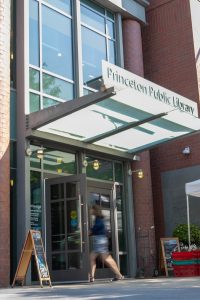
 Walk into Princeton Public Library on any given day, and you’ll certainly find people reading. But you’ll also find toddlers dancing during Storytime, teenagers collaborating on creative projects, adults attending lectures by nationally recognized authors and experts and families planning visits to museums using passes borrowed with their library cards. Outside on Hinds Plaza, you’ll often find neighbors gathering for concerts.
Learning is woven into nearly everything the library does. Some opportunities are planned months in advance, like author talks, art exhibitions, film screenings and educational series. Others happen more organically, as strangers strike up conversations after a presentation, children make new friends during a STEAM program, or visitors discover a new interest while browsing the calendar of events. In all ways, learning experiences at the library go well beyond the printed page.
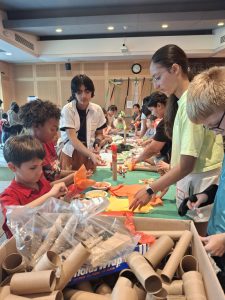 Long before children can read independently, they are building literacy skills during library Storytimes filled with songs, movement, books and play. These programs help develop vocabulary, listening skills and social interaction while giving parents and caregivers practical ways to support learning at home.
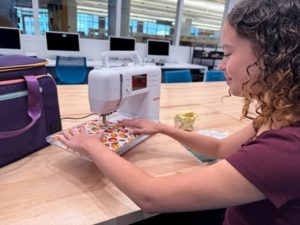
As children grow, the opportunities multiply. Hands-on science activities, coding workshops, crafts, reading programs, book clubs, performances and seasonal events encourage children to ask questions, experiment and explore. During the summer months, the library becomes a hub of activity as families participate in the Summer Reading program and a variety of programs that keep young minds engaged during the time between school years.
“Learning isn’t something that only happens in school,” said Marissa Warren, head of youth services at Princeton Public Library. “Learning happens anywhere that curiosity is welcomed, and not only is it welcome here, it’s celebrated.”
Middle school and high school students often seek spaces where they can explore interests outside the classroom, and Princeton Public Library is an important destination for just that.
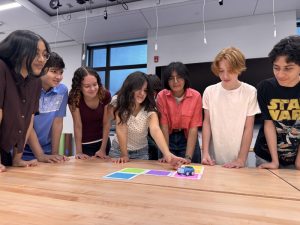 The library offers programs designed specifically for teens, from creative workshops and volunteer opportunities to discussions, games and maker activities. Students gather to study, collaborate or simply spend time in a welcoming environment that encourages both independence and discovery.
“We see many teens develop leadership skills through library volunteer programs or find new passions by attending events and programs,” said Jen Appell, teen services librarian. “Whether they’re participating in a writing workshop, exploring technology or connecting with others who share similar interests, they’re learning in ways that extend beyond traditional education.”
Graduation may mark the end of formal education, but it rarely marks the end of learning.
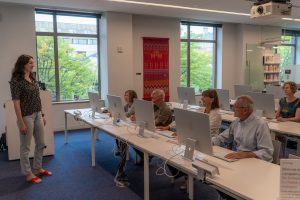 Every year, Princeton Public Library welcomes thousands of adults to lectures, discussions, workshops and cultural programs covering an extraordinary range of subjects. Authors share the stories behind their latest books. Historians place current events into a broader context. Artists discuss their creative process. Financial experts, health professionals and technology specialists help community members navigate everyday challenges.
Book groups invite readers to explore literature together while language conversation groups help participants strengthen communication skills and connect with others. Technology classes assist patrons in navigating everything from smartphones and ebooks to emerging digital tools, ensuring that no one is left behind as technology continues to evolve.
“One of the things I love the most about the Princeton community is that learning continues not because people have to, but because they want to,” said Laura Bishop, head of adult services.
One of the library’s most popular offerings isn’t found on a bookshelf at all.
With a Princeton Public Library card, patrons can borrow passes to museums and other cultural institutions throughout the region. Families can spend a day exploring art collections, learning about history or visiting nature centers without the financial barriers that might otherwise limit those experiences.
The library’s Museum Pass program reflects an important philosophy: education happens through experiences as well as books. Standing before a famous painting, walking through a historic home or exploring a science exhibit creates memories and understanding that last long after the visit ends. The library helps open those doors.
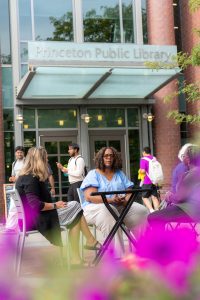 Princeton Public Library regularly partners with the municipality, local schools, Princeton University, community organizations, cultural institutions, businesses, artists and nonprofit groups to create programs that reflect the interests of the community. These partnerships bring expertise, creativity and diverse perspectives to the community.
“When we host local authors, work with community organizations on public discussions, support local artists through exhibitions or collaborate on town-wide celebrations, the library is a connector, bringing people, organizations, ideas and experiences together,” said Janie Hermann, adult programming manager at the library.
In today’s world, information is abundant. Finding trustworthy information, meaningful experiences and opportunities to connect with others is often more difficult. That is where the library continues to excel.
 “Every day, we see people come through our doors looking for one thing and leave with something they didn’t expect, whether it’s a new idea, a new skill or a new connection.” said Jennifer Podolsky, the library’s executive director. “Those moments remind us that libraries are built as much around people as they are around collections and that they’re essential for communities to flourish.”
Visitors come seeking answers but frequently leave with something more: a new skill, a fresh perspective, a conversation with a neighbor or inspiration to explore a topic they hadn’t considered before. There are no grades, prerequisites or tuition. Everyone is welcome. Curiosity is the only requirement.
Books remain the foundation of Princeton Public Library, but they are only the beginning of the story.
Every program, concert, lecture, museum visit, art exhibit and community conversation reflects the same enduring mission: to make learning accessible, engaging, and lifelong. In doing so, the library strengthens something even more important than individual knowledge. It strengthens the community itself.
“When neighbors gather to learn together, no matter their age or background, they build connections that extend beyond a single program or event. They create a culture of shared curiosity, generosity and discovery,” said Podolsky. “That may be the library’s greatest collection of all.”
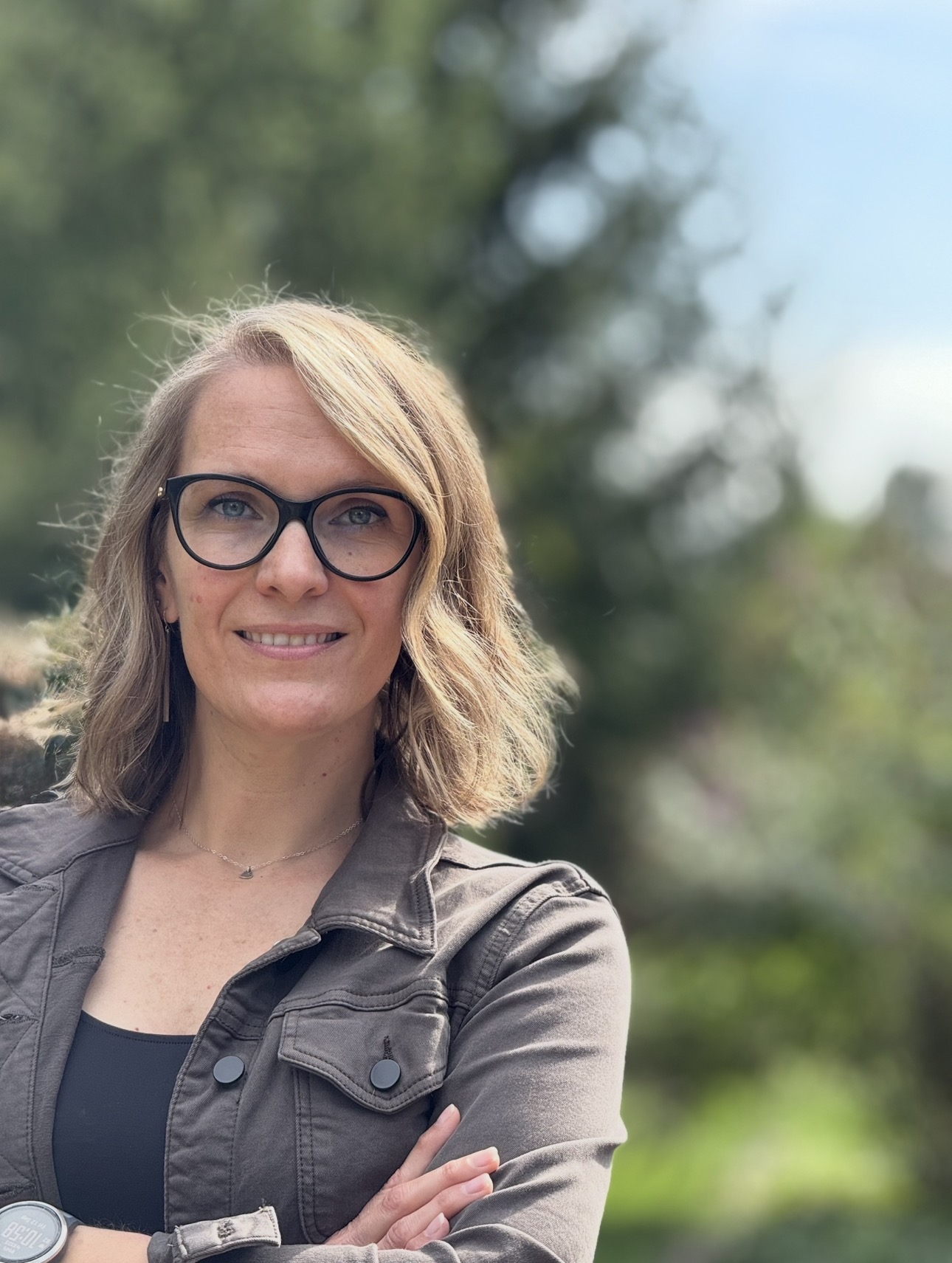
Shannon Hurley has more than 20 years of experience in integrated communications, public relations and storytelling for mission-driven organizations. Since joining Princeton Public Library in the spring of 2026, she has been dedicated to sharing stories celebrating the library as a vital community resource.