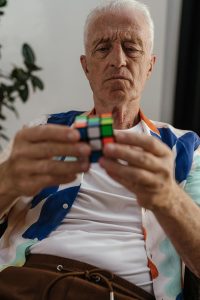
 So, you’re living in Princeton and wondering, “How do I stay intellectually challenged as I get older?” Good news: whatever your interests, this town is full of opportunities to learn, meet new people, and make lasting connections.
Your first stop should be the Princeton Adult School. Offering both in-person and online classes, the Adult School is one of the best-kept secrets for keeping your mind sharp well into retirement. Courses range from history and literature to art, technology, and current events—but if you’re looking for something that combines mental challenge with social interaction, take a look at their Home, Garden and Beyond category. It’s a surprising treasure trove of options, including introductory classes in classic games.
Signing up for one of these classes is a low-pressure way to meet new people, exercise your brain, test your memory, and genuinely have fun. And right now, two classic games in particular—bridge and mah-jongg—are experiencing a real resurgence, both here in Princeton and across the country. Part of the appeal is what they don’t involve: no screens, no notifications, no AI, no online obligations. Just real interaction between people who enjoy using their minds.
Finding Your Game
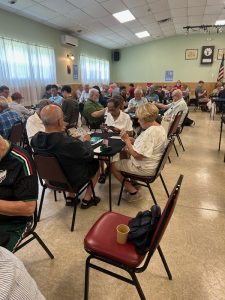 Private bridge and mah-jongg groups have popped up all over Princeton, and they’re easier to find than you might expect. The Center for Modern Aging Princeton hosts regular meetups for both games, welcoming players of all skill levels. Local social clubs and houses of worship often have their own informal groups as well, so it’s worth asking around at places you already frequent.
If bridge is the game that catches your interest, there’s a clear path once you’ve learned the basics: join the American Contract Bridge League (ACBL). Membership opens the door to a whole world of organized play—local games, regional tournaments, and a genuine community of players who take the game seriously (in the best way). Locally, Bill’s Bridge serves as the area’s sponsor for ACBL-sanctioned games, making it easy to find sanctioned play close to home.
What Makes Bridge So Addictive
For the uninitiated, bridge is a fascinating and addicting card game. If you’ve ever played trick-taking games like spades, hearts, or euchre, you already understand the basic mechanics: players compete in partnerships, with two teams of two facing off against each other.
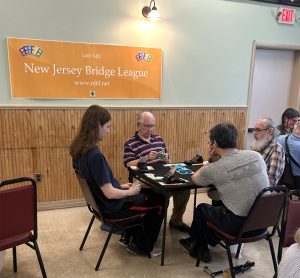 The game unfolds in two phases. First comes the bidding, or “auction,” where players use a structured bidding language to communicate information about their hands and ultimately determine the trump suit: clubs, diamonds, hearts, or spades, or whether the hand will be played with no trump suit at all. This bidding phase is where much of bridge’s strategic depth lives; it rewards careful partnership communication, memory, and logical deduction.
Once the bidding concludes, the actual play begins. Each player takes turns playing a card, following suit whenever possible, with the trump suit holding power over all others. Tricks are won and lost, points are tallied, and over the course of many hands, skill reliably outperforms luck, which is precisely why serious players find it so compelling.
One unwritten rule of the bridge table, though, is just as important as the rules of the game itself: no politics. Bridge demands real concentration and focus, and the social contract among players reflects that. While a hand is in progress, conversation about politics, religion, or family drama is generally considered off-limits. It’s not about avoiding these topics entirely, but it’s about protecting the mental space the game requires and keeping the table a place where people with wildly different views can sit down together and simply focus on the cards.
Why It Matters
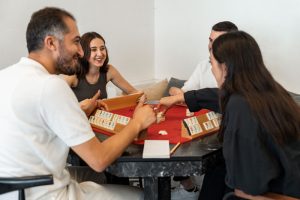 There’s something quietly powerful about a pastime that asks so little of the modern trappings we’ve grown used to. There are no apps, no algorithms, no digital distractions, and bridge commands so much of our attention, memory, and social presence. Games like bridge and mahjongg offer exactly the kind of structured mental exercise that research suggests helps maintain cognitive sharpness over time, while also delivering something equally valuable: regular, meaningful, in-person social contact.
For those who’ve spent a career solving problems, managing teams, or simply staying mentally engaged, retirement can sometimes leave an unexpected gap. Classic games like these fill that gap in a way that feels less like an obligation and more like a genuine pleasure. You’re not just passing time, you’re sharpening a skill, deepening friendships, and joining a community that spans generations and, in bridge’s case, connects you to players across the country through ACBL-sanctioned events.
So, if you’ve been searching for a way to stay intellectually engaged in Princeton, consider starting with a single Adult School class. Learn the basics, find a local group through the Center for Modern Aging or a friend from your social club, and see where the game takes you. Whether you fall in love with the strategic depth of bridge or the tile-matching challenge of mahjongg, you’ll find no shortage of company, and no shortage of ways to keep your mind exactly as sharp as you want it to be.
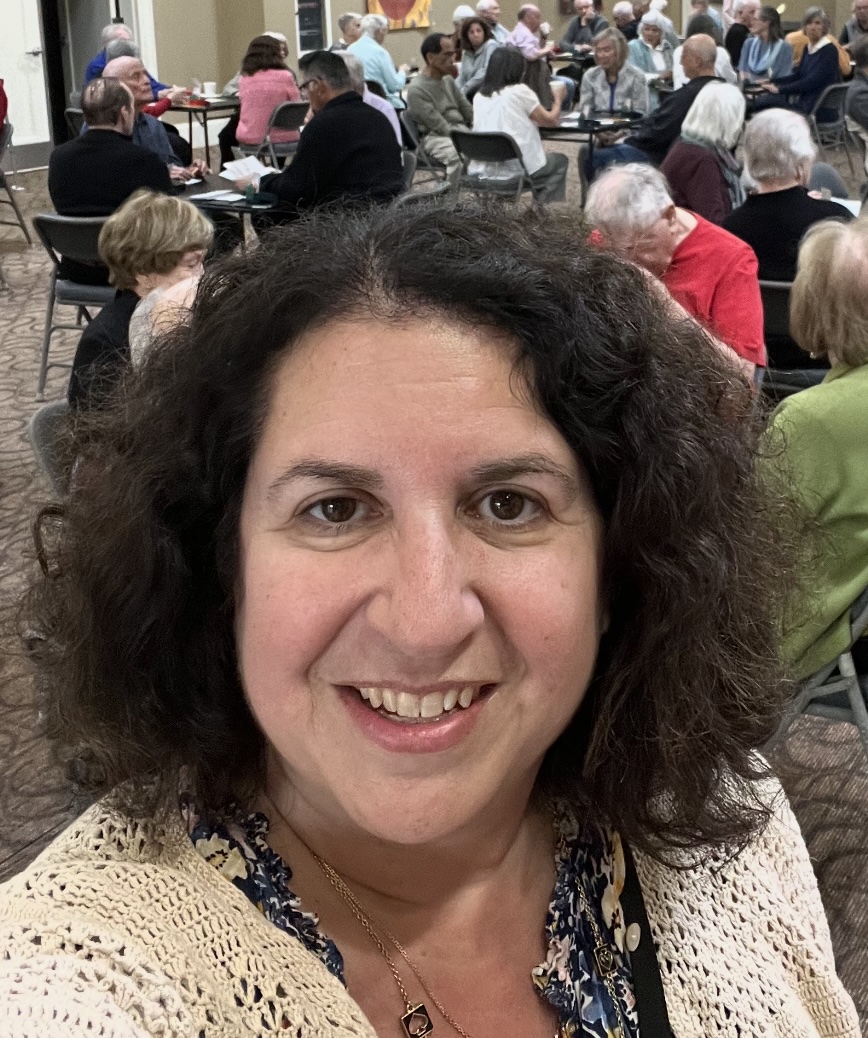
Judy Kutin has been playing bridge and living in Princeton for over 24 years. A retired NJ certified educator, she is a bridge and mahjongg instructor as well as the owner of the Princeton Game Club.