
Why Alpha-gal Syndrome Is Becoming More Common in Central New Jersey
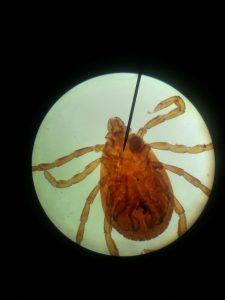 Could a tick bite really make you allergic to steak? It sounds like one of those internet myths that’s too strange to be true. But for a growing number of people—including some here in Central New Jersey—that’s exactly what’s happening.
If you live in Central New Jersey, chances are you’ve pulled a tick off yourself, your child, or your dog at some point. We know to check after hiking, gardening, walking wooded trails, golfing, or simply doing yard work. For years, Lyme disease has been the primary concern after a tick bite.
Now there’s another condition that deserves our attention.
 It’s called Alpha-gal Syndrome (AGS)—a tick-borne allergy that can cause people to suddenly become allergic to beef, pork, lamb, venison, and other mammal-derived products. That’s not a typo. Steak. Bacon. Bone broth. While it was once considered a condition found primarily in the southeastern United States, researchers are seeing it in more parts of the country, including New Jersey.
In fact, newly released data from the Centers for Disease Control and Prevention found that in the five states with the highest rates of alpha-gal exposure, nearly one in four adults had detectable alpha-gal antibodies. That statistic sounds alarming, but there’s an important distinction: a positive blood test alone does not mean someone has Alpha-gal Syndrome. Many people develop antibodies after tick bites and never experience symptoms. A diagnosis requires both a positive test and symptoms that fit the condition.
Even so, the findings reinforce something many of us who work with tick-borne illness have suspected for years—exposure is becoming increasingly common, and awareness is more important than ever.
So, what exactly is Alpha-gal Syndrome?
Unlike Lyme disease, Alpha-gal Syndrome isn’t an infection. It’s an allergic condition that can develop after certain tick bites.
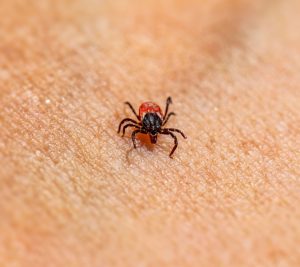 Here’s what’s happening under the hood: a tick bite introduces a sugar molecule called alpha-gal into your bloodstream. Your immune system, doing its job, tags it as a threat. The problem? That same sugar lives inside beef, pork, lamb, venison—and a surprisingly long list of everyday products, from gelatin capsules to bone broth to collagen supplements to certain medications and medical products. Once your body is on high alert, ordinary foods can start looking like dire threats.
One of the reasons Alpha-gal Syndrome is so often overlooked is because it doesn’t behave like a typical food allergy.
Most food allergies cause symptoms within minutes. Alpha-gal reactions often don’t appear until three to eight hours after eating, making the connection difficult to recognize. Someone may eat a steak or hamburger for dinner and wake up in the middle of the night with hives, severe stomach pain, diarrhea, itching, swelling, or even difficulty breathing. Others experience more subtle symptoms that are mistaken for food intolerances, digestive disorders, or unexplained allergic reactions.
Researchers are still learning why some people develop Alpha-gal Syndrome while others with alpha-gal antibodies never experience symptoms. The Lone Star tick remains the primary tick associated with Alpha-gal Syndrome in the United States, but emerging research suggests our familiar blacklegged tick—the same one responsible for transmitting Lyme disease—may also play a role in sensitizing some individuals. As scientists continue to investigate that possibility, it becomes even more relevant for those of us living in New Jersey, where tick exposure is simply a part of everyday life.
How Can You Prevent it?
 The good news is that awareness is growing. Ticks are making national headlines. Healthcare providers are starting to recognize Alpha-gal Syndrome, testing has become more accessible, and patients are beginning to connect symptoms that once seemed random or mysterious.
The best way to reduce your risk remains preventing tick bites whenever possible. Wear protective clothing when you’re in wooded or grassy areas, use an EPA-approved tick repellent, perform thorough tick checks after spending time outdoors, shower soon after coming inside, and don’t forget to check children and pets, who often bring ticks into the home.
We don’t yet know exactly how common Alpha-gal Syndrome is in New Jersey because it remains underrecognized and likely underdiagnosed. What we do know is that our lifestyle—one that includes beautiful parks, wooded neighborhoods, backyard gardens, youth sports and plenty of time outdoors—also means regular exposure to ticks.
Here’s what I want you to walk away with: unexplained hives, midnight stomach pain, or “random” reactions after a meal aren’t random. Your body is communicating. Whether it’s Alpha-gal, a gut imbalance, or something else entirely, the answer is almost never in your head—and it’s almost never solved by ignoring it.
If any of this sounds familiar, start a food-and-symptom journal this week, noting what you ate and any symptoms that appeared three to eight hours later, and bring that record to your healthcare provider. As our understanding of tick-borne illnesses continues to evolve, awareness remains one of the most valuable tools we have. The sooner we recognize the signs, the sooner people can find answers and begin protecting their health.
And if you’d like a second set of eyes on the pattern, my door is open.

Melissa Hall Klepacki, M.Ac. is a New Jersey-based Functional Gut Health Specialist and the author of The Constipation Code. For more than three decades, she has worked with thousands of clients from New Jersey and across the country, cracking the code on chronic digestive and complex health conditions. Her work began in the field of tick-borne illness and now includes helping people restore gut health as the foundation for overall wellness. Learn more at www.MelissaHallKlepacki.com.